
KENYA MOVES TO SECURE FOREST FUTURE THROUGH MEETINGS BETWEEN THE STATE DEPARTMENT AND THE TECHNICAL WORKING GROUP ON FOREST TREE SEEDS REGULATION.
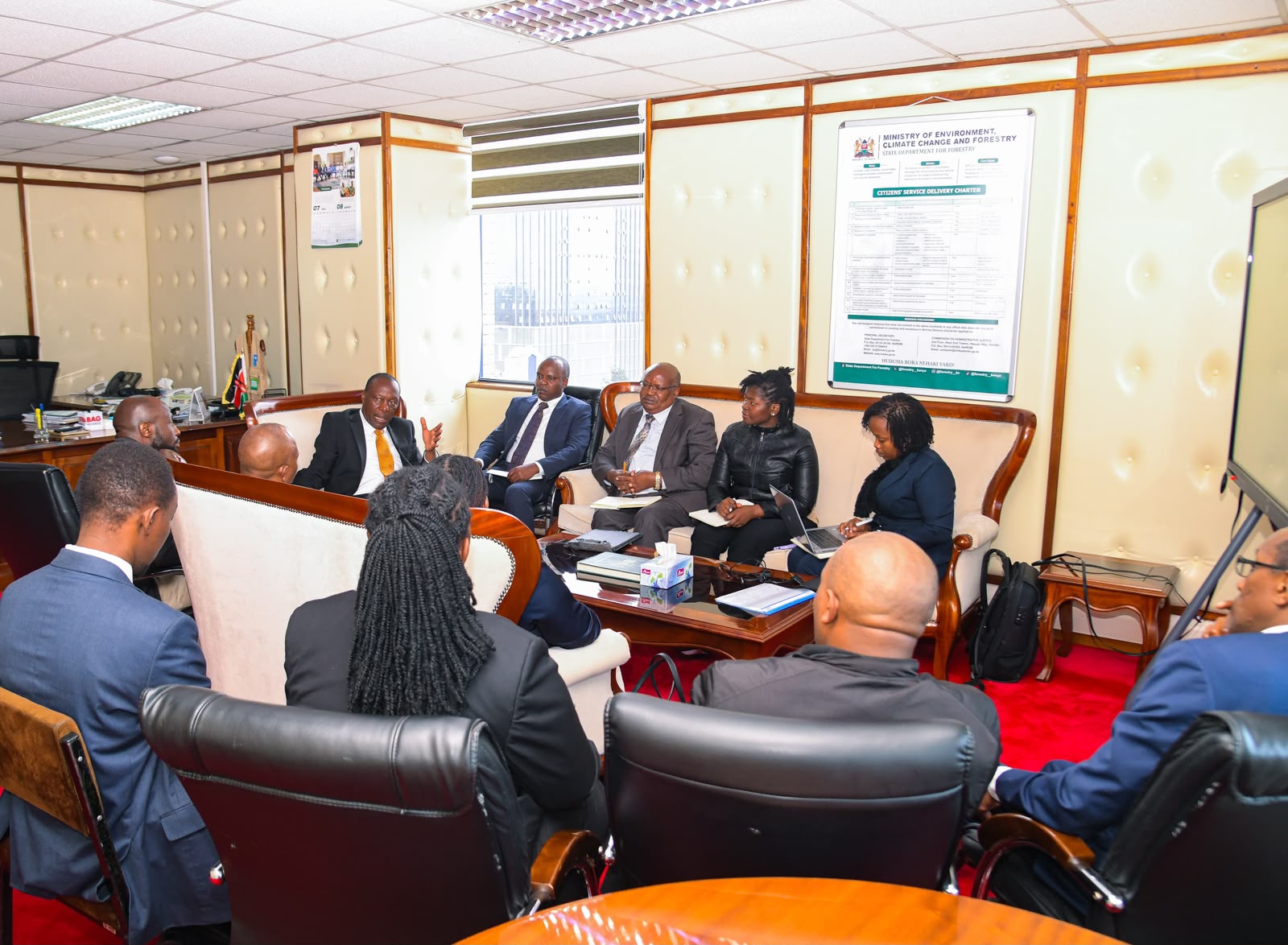
In a decisive move to ground Kenya's ambitious environmental targets in scientific excellence, the government has begun laying the groundwork for a comprehensive regulatory framework aimed at reforming the national forest seed sector. Forestry Principal Secretary Mr. Gitonga Mugambi recently received a detailed progress briefing from the Technical Working Group on Forest Tree Seeds Regulation, outlining a new blueprint designed to govern the production, testing, certification, distribution, marketing, and quality assurance of all forest reproductive materials across the country. By establishing these harmonized standards, the state intends to systematically overhaul the national forest seed system to guarantee that only genetically superior, high-quality planting materials are made available for sustainable forestry development, biodiversity conservation, and landscape restoration.
During the technical session, the working group presented critical policy and regulatory proposals designed to inject accountability and transparency into the forest seed value chain. A primary focus of the upcoming regulations is to eliminate the widespread circulation of uncertified and substandard seeds, which often compromise restoration efforts due to low survival rates. The framework introduces rigorous traceability measures to safeguard the genetic quality and physiological viability of seeds from collection to planting, ensuring that stakeholders across both public and private sectors comply with strict certification rules.
PS Mugambi emphasized that establishing a robust regulatory framework is not just an administrative milestone, but a vital prerequisite for the success of Kenya's National Tree Growing and Restoration Programme, which aims to plant 15 billion trees by 2032. He pointed out that the availability of certified, premium-grade forest reproductive materials is the absolute foundation needed to improve commercial plantation productivity, rehabilitate degraded landscapes, conserve native forest genetics, and build long-term climate resilience. The briefing was also attended by the Secretary for Forestry Development, Mr. George Tarus, alongside experts and representatives from various state departments and agencies who are driving the regulatory drafting process forward.