
Kenya Launches Landmark Strategies to Transform ASALs and Boost Climate Resilience
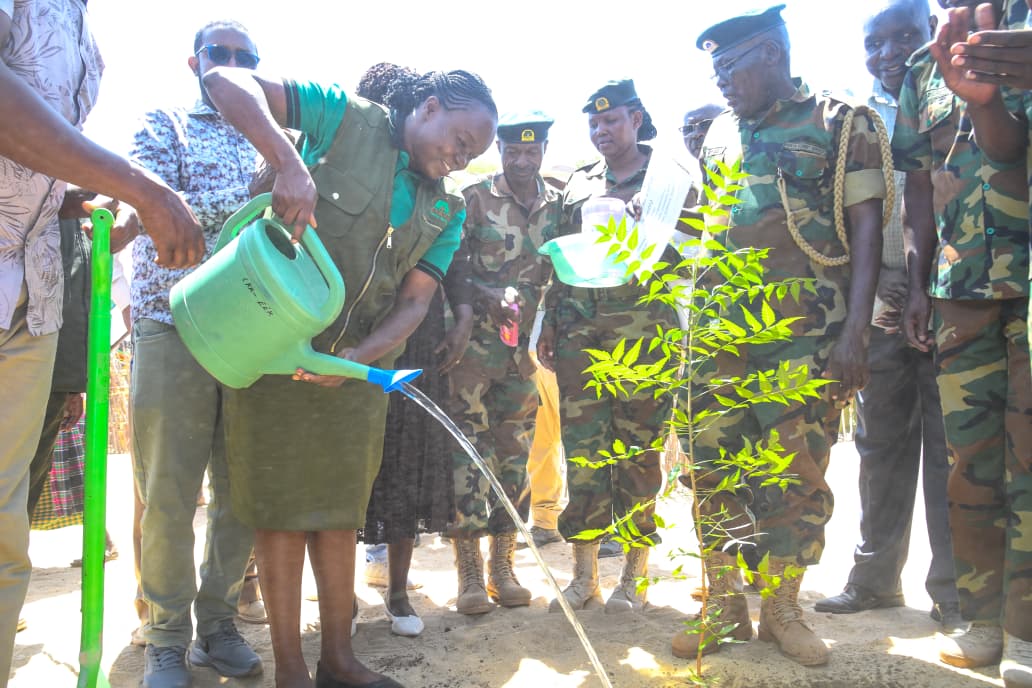
On 1st February 2026, the Cabinet Secretary for Environment, Climate Change and Forestry, Dr. Deborah M. Barasa, launched two major national policy instruments at Nadoto Primary School in Turkana County aimed at restoring degraded drylands and strengthening climate resilience.
The event marked the unveiling of the National Strategy and Action Plan for the Management and Control of Prosopis juliflora (2025–2035) and the National Commercial Forestry Strategy (2025–2035). The launch was attended by the Cabinet Secretary for East African Community Affairs, ASALs and Regional Development, Ms. Beatrice Askul Moe, alongside national and county leaders.
The Prosopis strategy provides a structured approach to control and manage the invasive species, which has spread across more than one million hectares, while promoting its sustainable use for products such as bioenergy, charcoal, livestock feed, and timber to create green jobs and support local enterprises.
At the same time, the Commercial Forestry Strategy aims to position forestry as a driver of economic growth by promoting climate-smart plantations suited to dryland conditions, strengthening forest value chains, reducing pressure on natural forests, and attracting private investment.
The two strategies are aligned with national development priorities and Kenya’s restoration commitments, with Turkana selected as a demonstration hub for integrated invasive species management, dryland commercial forestry, and community-led climate-resilient livelihoods.
County leaders reaffirmed their commitment to translating policy into action and transforming restoration efforts into sustainable economic opportunities for local communities.