
HOMA BAY COMMUNITY TREE NURSERIES ADVANCE LANDSCAPE RESTORATION AND SUSTAINABLE LIVELIHOOD UNDER FLLoCA.
Homa Bay County is strengthening landscape restoration and climate resilience through community-led tree nursery initiatives supported under the Financing Locally-Led Climate Action (FLLoCA) Programme, demonstrating how grassroots action is contributing to Kenya’s national target of growing 15 billion trees by 2032.
County forestry and climate change officials, led by the County Forest Conservator, Sharon Cheluget, held a consultative meeting with representatives from the State Department for Forestry to review the performance of FLLoCA-supported community tree nurseries and assess progress in ecosystem restoration across the county.
The meeting focused on nursery registration, seedling production, restoration targets and strategies for strengthening the sustainability of community nurseries. Officials reported that approximately 389,000 plantable seedlings had been registered through community nurseries across Homa Bay County, reflecting growing community participation in landscape restoration.
Participants also reviewed restoration activities in the Homa Hills, Gembe, Lambwe, Kodera and Wire forest stations, including site preparation, fencing, establishment of restoration camps and tree planting activities. The discussions highlighted the important contribution of community groups and youth in restoring degraded landscapes while creating green employment opportunities and enhancing resilience to climate change.
Despite the progress recorded, stakeholders identified several challenges affecting restoration efforts and nursery operations. These include inadequate water supply, land ownership and tenure disputes, limited markets for seedlings, overgrown seedlings resulting from delayed uptake, varying preferences for tree species, inadequate technical capacity, forest encroachment, illegal grazing, charcoal burning and shortages of personnel for forest protection and monitoring.
To address these challenges, participants emphasized the need to strengthen market linkages, improve monitoring systems, enhance technical support and foster closer collaboration among Government agencies, development partners and community groups. They also proposed establishing platforms that directly connect community seedling producers with buyers to reduce losses associated with unsold seedlings and improve the long-term sustainability of FLLoCA-supported restoration initiatives.
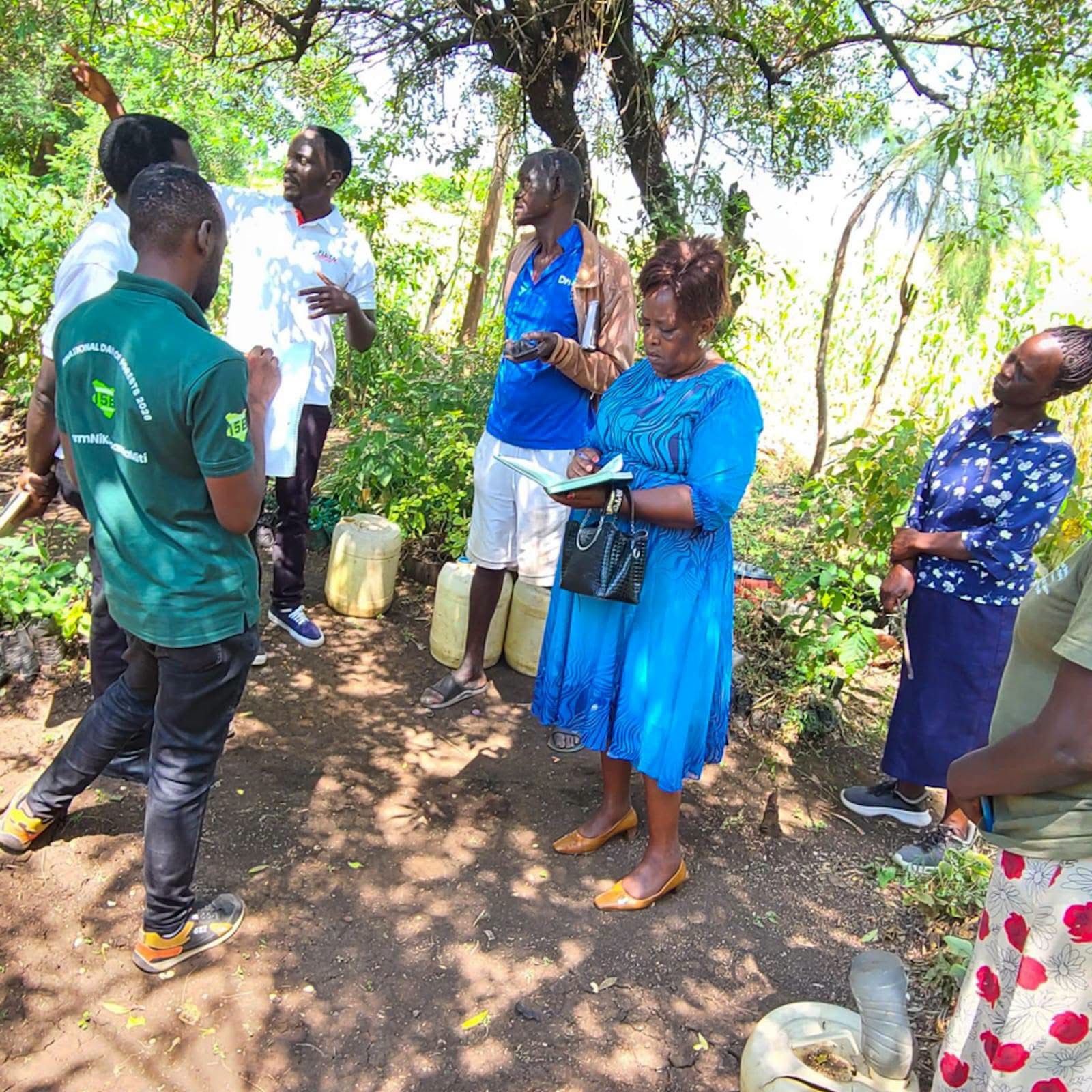
Following the meeting, the delegation visited a women-led community tree nursery supported through the FLLoCA Programme. Beyond producing seedlings for restoration and income generation, the group has integrated social responsibility into its activities by supporting vulnerable learners through educational assistance and providing material support to widows and disadvantaged households. Members attributed the success of the initiative to strong leadership, teamwork and effective record-keeping, which has strengthened nursery management and financial accountability.
The delegation also visited the ROPA Women Group, a community nursery initiative coordinated by Samuel Sana. The 18-member group has produced approximately 60,000 assorted seedlings, with nearly 40,000 seedlings currently available for planting and sale. The nursery specializes in fruit tree species such as mangoes, avocados and oranges, promoting agroforestry while diversifying household incomes and supporting local restoration efforts.
During the visit, Mr. Sana demonstrated how he has integrated tree growing with fish farming, beekeeping and other agricultural enterprises to create sustainable livelihoods while supporting environmental conservation. Income generated from seedling sales, fish production and honey harvesting has enabled the group to diversify its revenue streams while strengthening resilience to climate change.
Although members cited financial constraints, seedling theft and the need for continuous technical training as ongoing challenges, the field visits highlighted the significant impact of FLLoCA-supported community nursery enterprises in restoring degraded landscapes, creating employment opportunities, empowering women and strengthening climate resilience across Homa Bay County.
The engagement reaffirmed the importance of sustained partnerships between Government, development partners and local communities in accelerating ecosystem restoration and advancing Kenya’s national environmental and climate action goals.