
Enhancing Community-Led Restoration and Livelihood Through the KEWASIP Grants Framework
On March 28, 2026, the Government of Kenya, through the State Department for Forestry, continued the implementation of the Kenya Watershed Services Improvement Project, a five-year initiative funded by the World Bank.
The project is designed to support the country’s restoration goals by addressing land degradation, strengthening natural resource management, and enhancing ecosystem services. Ultimately, KEWASIP seeks to improve climate resilience while expanding access to diversified and sustainable livelihoods.
A key component of the project is the provision of Community Grants to Common Interest Groups (CIGs), Vulnerable and Marginalized Groups (VMGs), and Marginalized Communities (MCs). These grants are intended to support sustainable land and water management practices while improving household incomes.
With an allocation of approximately KShs 3 billion, the grants will finance activities such as soil and water conservation, agroforestry, small-scale water harvesting, and nature-based enterprises across the 12 participating counties.
To operationalize this component, the KEWASIP National Project Coordination Unit (NPCU), in collaboration with focal persons from implementing entities, is developing a comprehensive Community Grants Manual. This manual will serve as a practical guide for county governments, national agencies, and community groups involved in implementing the grants program.
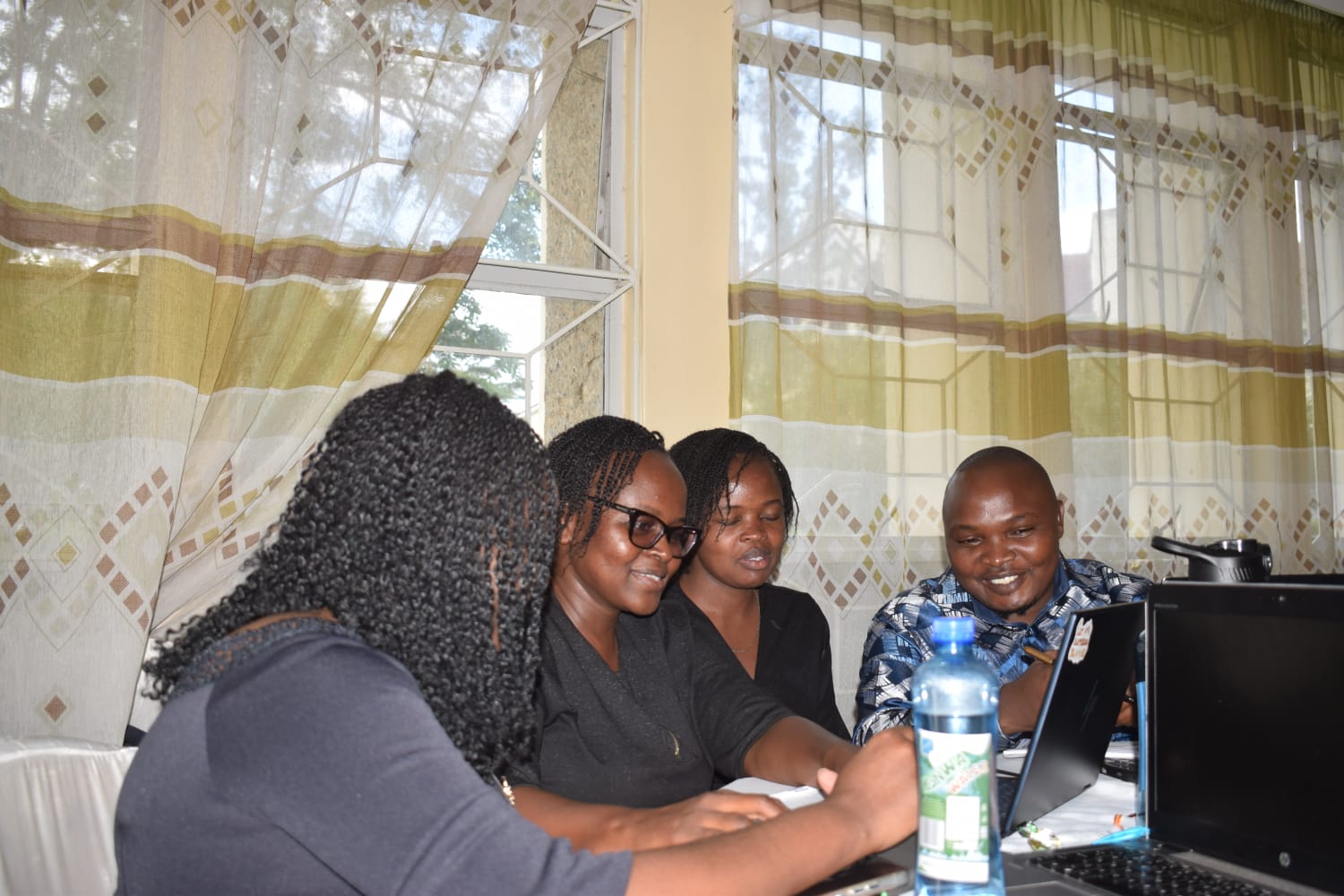
As part of this process, the KEWASIP-NPCU convened a four-day workshop in Naivasha to review the draft manual.
The workshop focused on establishing clear procedures for grant administration, including proposal development, appraisal, approval, disbursement, and monitoring. It also drew on relevant secondary materials and best practices to strengthen the manual’s content.
The refined manual is expected to enhance efficiency, accountability, and inclusivity in the implementation of Community Grants, ensuring that targeted communities benefit more effectively from KEWASIP interventions.
The draft manual will undergo stakeholder validation before it is finalized and disseminated for use across all project areas.